
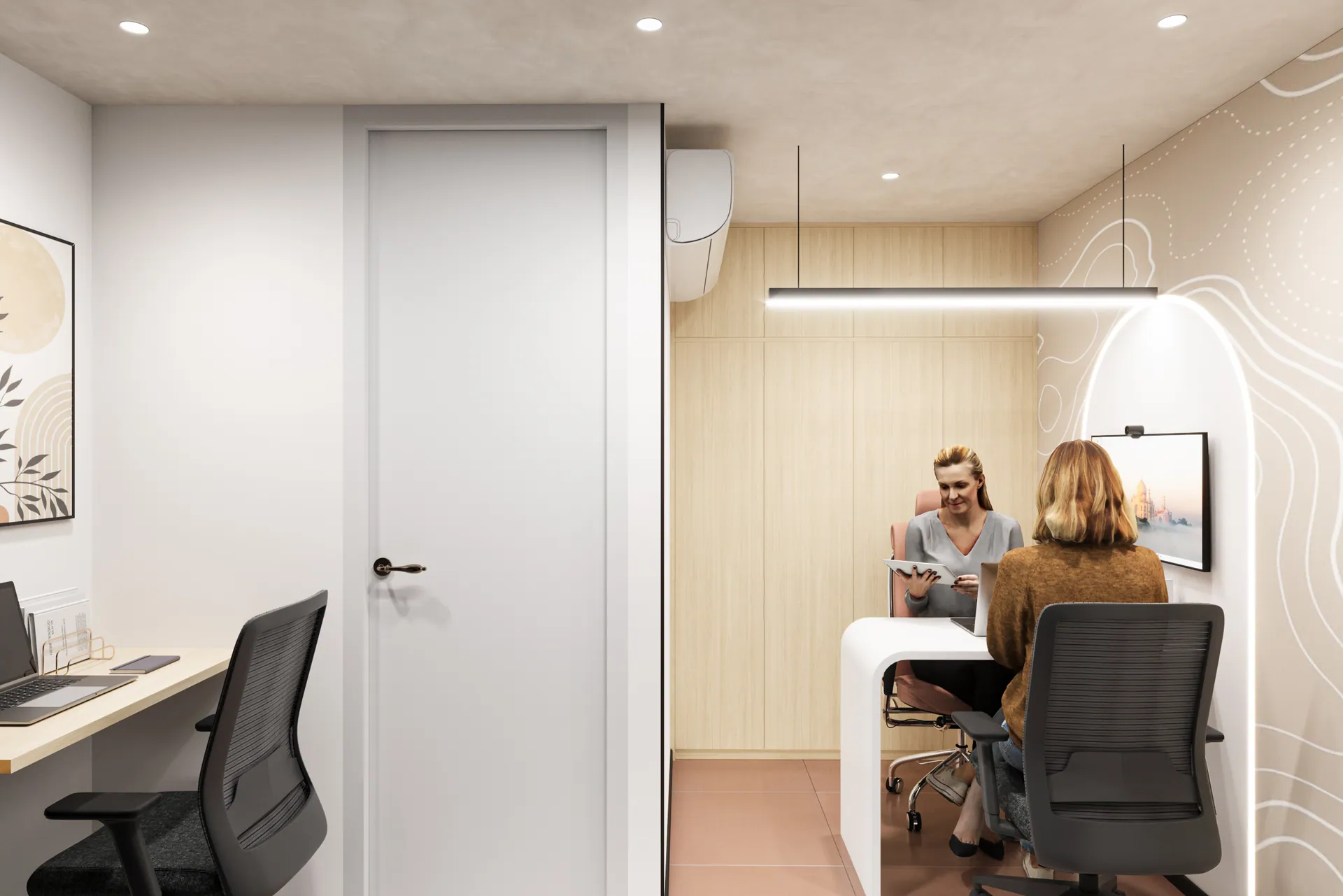
The starting point
Who it may help
- Persistent jaw pain or difficulty opening
- Clenching or grinding concerns
- Tooth wear needing assessment
A consultation helps establish the diagnosis and whether this approach suits your health and goals.
Your treatment options
Care usually begins with reversible measures, habit advice and symptom management. A custom splint may be considered; its role and limitations should be discussed.
What to expect
How treatment is planned
Identify the problem
Assess jaw movement, tenderness, habits and other possible causes.
Start conservatively
Agree on suitable self-care and any protective appliance.
Review progress
Reassess symptoms and refer when further evaluation is needed.
Recovery & ongoing care
- Reduce clenching habits and avoid gum chewing if it worsens symptoms.
- Follow advice on exercises or appliance use; report a changing bite.
Timing & things to consider
Painless clicking alone may not need treatment. A splint does not guarantee a cure for grinding. Irreversible bite changes or surgery need careful consideration.
Planning your treatment cost
The fee depends on the findings, treatment complexity, materials and number of visits. At your consultation, ask for the proposed stages, alternatives and an itemised estimate before deciding.
Common questions
Frequently asked questions
Is jaw clicking always a problem?
Clicking without pain or restricted movement is common and may not require treatment.
Will a nightguard stop grinding?
It can help protect teeth in suitable cases, but may not stop the grinding habit.
Patient information references
General patient information; your dentist will explain the advice relevant to your treatment.