
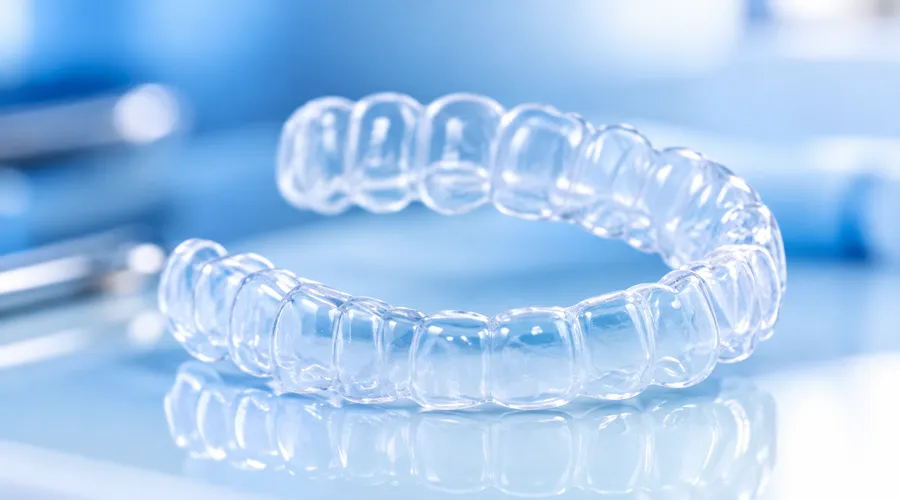
The starting point
Who it may help
- Crowded, spaced or protruding teeth
- A bite that may benefit from correction
- Teens or adults seeking a tooth-position assessment
A consultation helps establish the diagnosis and whether this approach suits your health and goals.
Your treatment options
Aligners and braces have different strengths. The suitable appliance depends on the bite, tooth movements and your ability to follow the wear schedule.
What to expect
How treatment is planned
Assess the bite
Examine teeth and jaws and collect records or scans.
Guide movement
Use the prescribed appliance with regular progress reviews.
Retain the result
Wear retainers according to the long-term plan.
Recovery & ongoing care
- Remove aligners for meals and clean teeth before reinserting.
- Follow the wear schedule and attend adjustments or reviews.
Timing & things to consider
Treatment usually takes months and sometimes longer. Discomfort, decay and gum problems can occur, especially with poor cleaning. Teeth may move again without retention.
Planning your treatment cost
The fee depends on the findings, treatment complexity, materials and number of visits. At your consultation, ask for the proposed stages, alternatives and an itemised estimate before deciding.
Common questions
Frequently asked questions
Are aligners suitable for everyone?
Some movements are better managed with braces or a different approach.
Will I need a retainer?
Yes. Retainers help maintain the corrected position after active treatment.
Patient information references
General patient information; your dentist will explain the advice relevant to your treatment.